Safer, Quieter School Floors Before Students Return
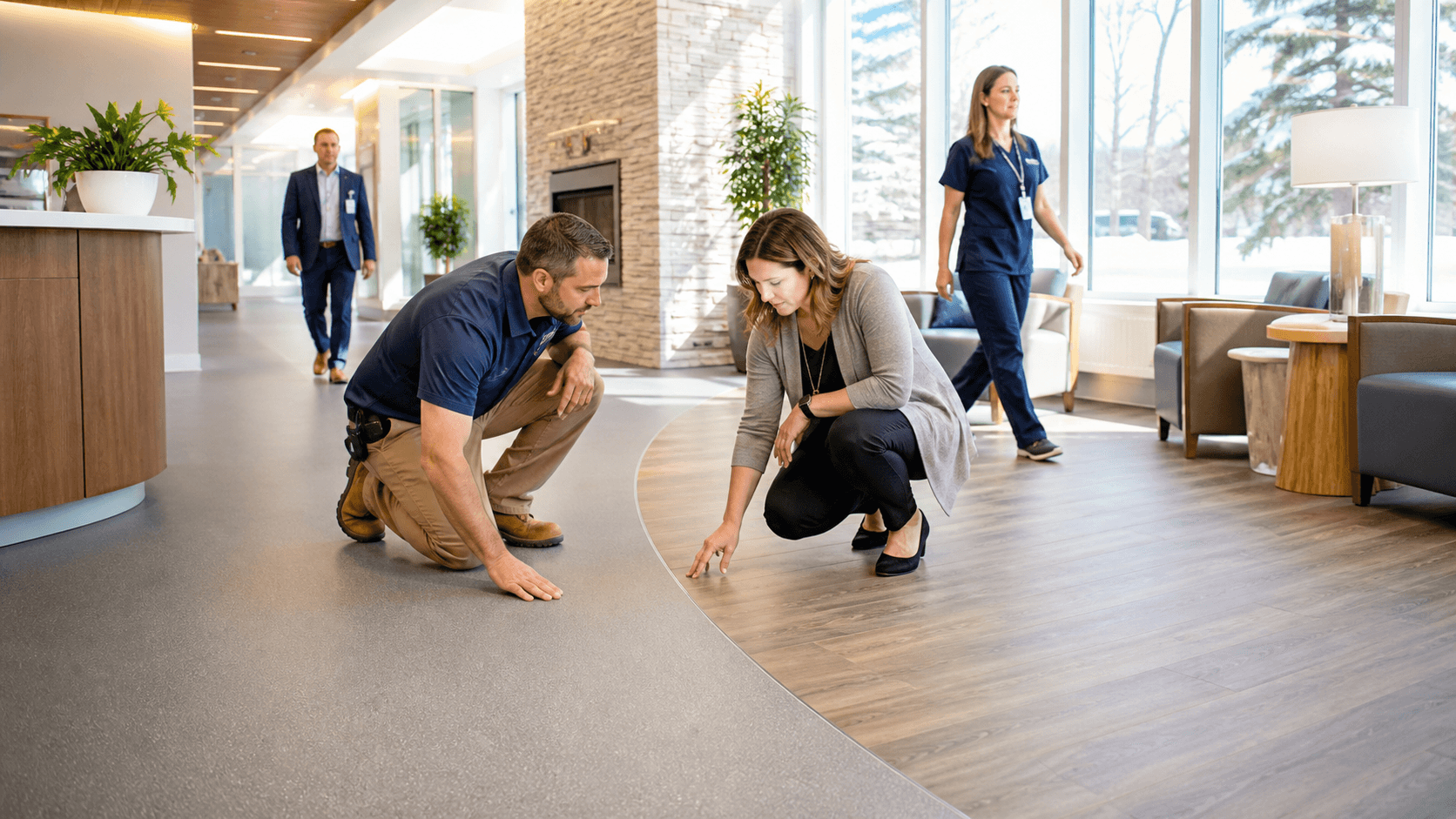
Flooring choices in schools are about much more than color and style. The surfaces under students' feet affect safety, noise levels, and how well a building meets code. When halls are full and classrooms are busy, the right floor can support focus and safer movement in every part of the campus.
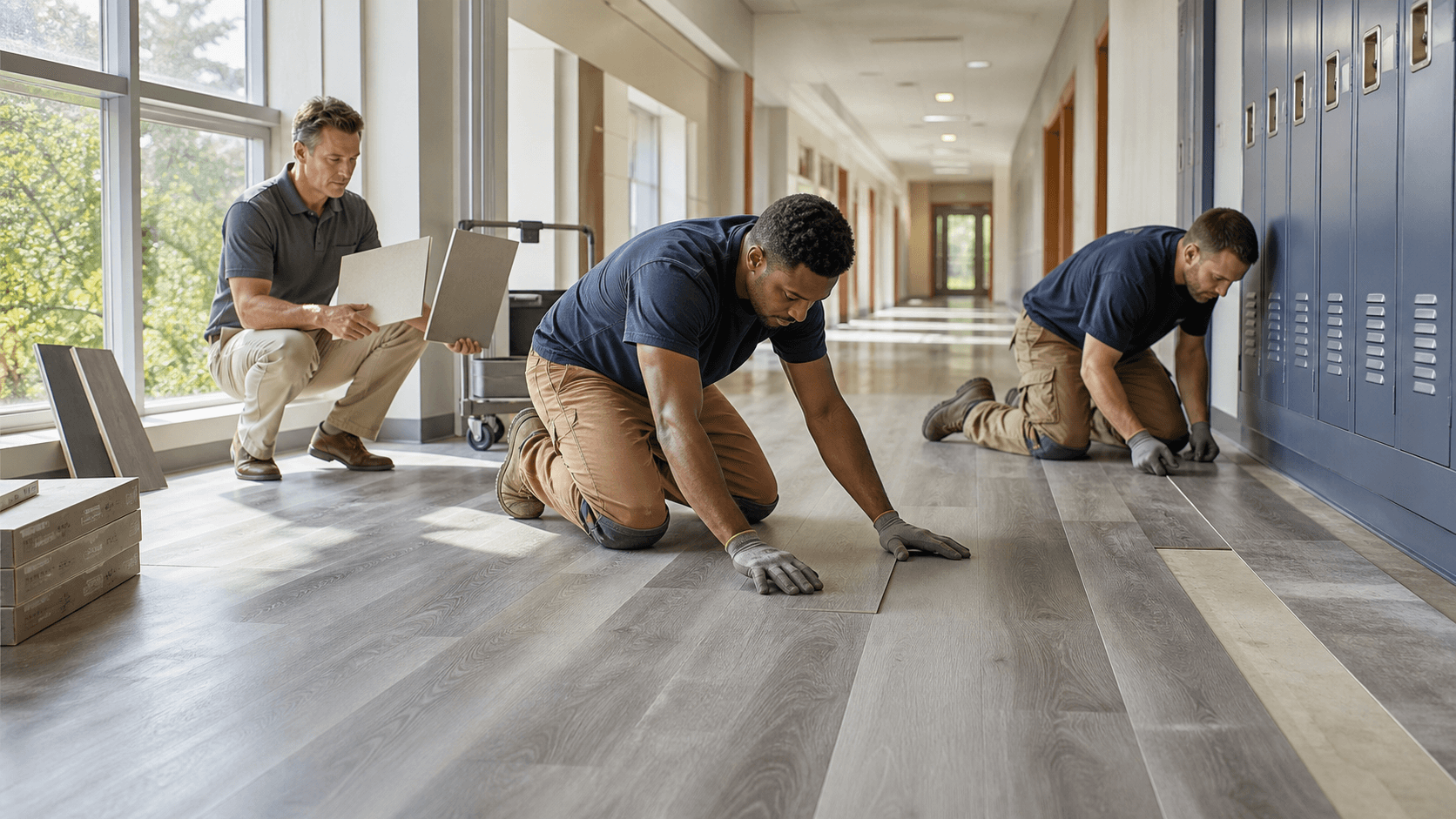
Late summer is often the crunch time for Illinois facility managers, architects, and contractors. Punch lists are long, the first bell is getting close, and flooring decisions need to support safety, comfort, and long-term performance. Slip resistance, acoustics, and clear egress paths all need to line up. Flexco resilient flooring is one option that can balance durability, safety, and maintenance. From our warehouse in Loves Park, we work with local professionals to pair these products with the right adhesives, trims, and accessories so floors are ready before students return.
Meeting Illinois Slip Resistance and ADA Expectations
Slip resistance starts with traction. Floors are often evaluated by coefficient of friction, or COF, in both wet and dry conditions. While specific numbers come from testing and standards, the basic goal is simple: give shoes enough grip so students and staff can move with less risk of slipping, even when the surface is damp.
In Illinois schools, that matters most in the busy, messy spots, such as:
- Main entrances with rain and snow tracked inside
- Locker rooms and athletic corridors near showers and pools
- Cafeterias and serving lines where spills happen
- Restrooms and nurse areas with frequent cleaning and moisture
ADA considerations push you toward surfaces that support steady walking and wheeled mobility. That means floors that are not overly glossy, with slip resistance that holds up over time. Textured rubber and resilient treads, including studded or raised patterns, give more grip underfoot and can help students feel more stable on stairs and ramps.
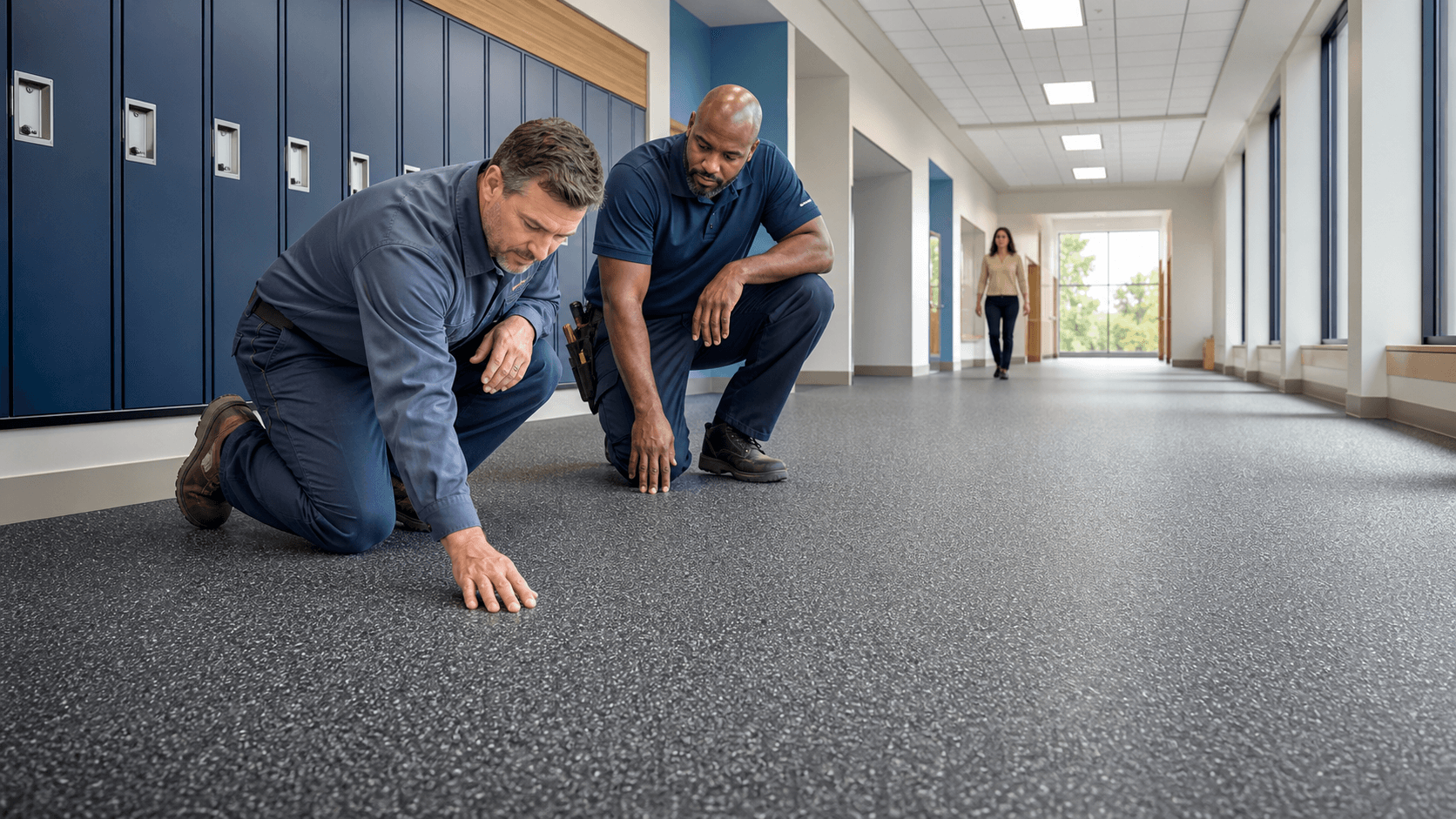
Flexco resilient flooring lines include rubber flooring, stair treads, and nosings that are designed for traction. The surface textures are built to help reduce slips in both dry and damp conditions. To keep that performance, installation details matter. Using the right underlayment and adhesives, and following the manufacturer's maintenance guidelines, helps:
- Limit hollow spots and bubbles that can collect moisture
- Keep treads firmly bonded at edges and nosings
- Maintain surface texture by avoiding harsh cleaners or pads
A safe floor is not only about the product, it is about the full system and how it is cared for each school year.
Getting IIC and STC Right in Classrooms and Multi-Levels
Sound control is another key part of school flooring. IIC, or Impact Insulation Class, measures how well an assembly reduces impact noise like footsteps and dropped items between floors. STC, or Sound Transmission Class, looks at airborne sound like voices and music traveling through walls and floor systems.
In multi-level schools, noise from above can distract students below. Areas where IIC and STC matter most include:
- Upper-floor classrooms and typical corridors
- Libraries and media centers that need quiet spaces
- Music rooms and band practice areas
- STEM labs where carts, chairs, and equipment move often
There is no single magic number that fits every district, but many school teams aim to reduce footfall and chair drag noise so teachers do not have to compete with constant rumbling overhead. The final IIC and STC values depend on the whole assembly: concrete or wood deck, sound control underlayment, resilient surface, and the ceiling and insulation below.
Flexco resilient flooring, paired with appropriate acoustic underlayments, can help lower impact noise in these stacked spaces. Rubber flooring tends to soften footfall and absorb some of the sound energy from rolling chairs and carts. When combined with the right underlayment and a well-detailed ceiling, this can:
- Make speech clearer in classrooms
- Reduce distraction in testing areas
- Support district goals for better learning environments
Working through the assembly as a whole, rather than just swapping floor finishes, is key to getting the IIC and STC performance you are targeting.
Egress Paths, Fire Codes, and Stair Safety Details
During an emergency, every second and every step count. Illinois building and fire codes shape what can be used in corridors and exit routes. Floors and wall finishes along egress paths must meet limits for flame spread and smoke development, and they should support clear, uniform walking surfaces.
Stairs and ramps deserve special attention. Good egress design usually calls for:
- Consistent, visible nosings along each tread
- Contrasting colors at the leading edge of steps
- Tactile warning surfaces at landings and transitions
- Smooth, even surfaces without chips, lips, or sudden changes
Resilient treads and risers help create safe, clean edges where students naturally place their feet. Compared to chipped tile or worn concrete, well installed rubber treads with defined nosings reduce trip points and create better visibility. Color contrast at the tread edge can help people see where each step begins and ends, even in low light.
Flexco resilient flooring systems include rubber stair treads, risers, tiles, and accessories that can support code aligned egress planning when they are specified correctly. This is not only about the main stairwells. Secondary stairs, ramps near special education areas, and exits from gyms and auditoriums all need thoughtful product selection and detailing.
Flexco Spec Checklist for Illinois School Projects
A simple checklist makes it easier to match the right Flexco resilient flooring product to each school space. When you are reviewing plans or walking an existing building, it can help to note for each area:
- Location and use, such as corridor, classroom, lab, cafeteria, stair, or locker room
- Substrate condition and type, including any cracks, moisture concerns, or uneven areas
- Slip resistance needs, dry and wet, along with ADA expectations
- Target IIC and STC needs if the space is stacked above other classrooms or offices
- Egress classification for corridors, stairs, ramps, and exits
From there, you can narrow in on product choices, including:
- Product type, such as rubber tile, sheet, stair treads, or accessories
- Thickness and profile to handle rolling loads and daily traffic
- Surface texture, from smooth to raised or studded for added traction
- Color and contrast to support wayfinding and step visibility
- Compatible adhesives, transitions, and wall base to complete the system
For submittals, it helps to gather key documents early. These often include technical data sheets, slip resistance information, acoustic test reports, fire and smoke ratings, and maintenance guidelines. Flexco warranties and product support information can also be part of the package. Since United Flooring Distributors focuses on wholesale flooring, tile, and installation materials, we can help project teams source the full set of items needed for a clean specification and smoother install.
Plan Your Next School Summer Turnover Now
Even while one school year is kicking off, it is smart to look ahead to the next round of summer work. Having a clear flooring plan for classrooms, corridors, and stairs lets you line up budgets, crew schedules, and materials long before demolition starts. A simple checklist based on Flexco resilient flooring options can guide early decisions and keep code, safety, and acoustic goals in view from the start.
United Flooring Distributors is a third-generation, family-owned wholesale flooring distributor based in Loves Park, serving contractors and retailers across Illinois. We focus on dependable products, competitive pricing, and personal service, and we work closely with local teams to match Flexco resilient flooring, sound control underlayments, and installation materials to the specific needs of Illinois schools.
Transform Your Space With Durable, Stylish Flooring Solutions
Explore our full selection of Flexco resilient flooring to find the right blend of performance and design for your next project. At United Flooring Distributors, we help you choose products that meet the demands of your space, from heavy traffic areas to specialized environments. If you are ready to move forward or need expert guidance, contact us so we can support your project from selection through installation.