Why Glue-Down Floors Work for Chicago Retail
Choosing flooring for a Chicago retail space is not just about color and pattern. Stores on Michigan Avenue, neighborhood shops, and small specialty spaces need floors that can stay strong with steady foot traffic, rolling racks, carts, and display changes week after week. The surface under your customers' feet has to support your brand and stand up to the city's weather at the same time.
Glue-down flooring is a smart option for many of these spaces. Because it is fixed directly to the subfloor, it stays stable under heavy loads and does not shift when layouts change. The result is a smooth, professional look that feels permanent and dependable.
For retailers planning remodels during summer to get ready for busier seasons, commercial glue-down flooring in Chicago offers a strong mix of durability, design flexibility, and long-term value. With the right material and adhesive system, it can keep working for you far beyond the first season after installation.
Key Performance Factors for Retail Glue Down Floors
Before picking a product line, it helps to think through how your floor needs to perform each day. Not every retail space has the same demands, and not every glue-down system is built for the same use.
Traffic and wear are a good starting point. In a heavy-traffic store, customers are moving all day, and fixtures may be rolled or shifted often. For those areas, contractors often look at:
- Wear-layer thickness rated for commercial use
- Manufacturer traffic classifications for retail or heavy commercial
- Slip resistance in entry zones, fitting room areas, and service counters
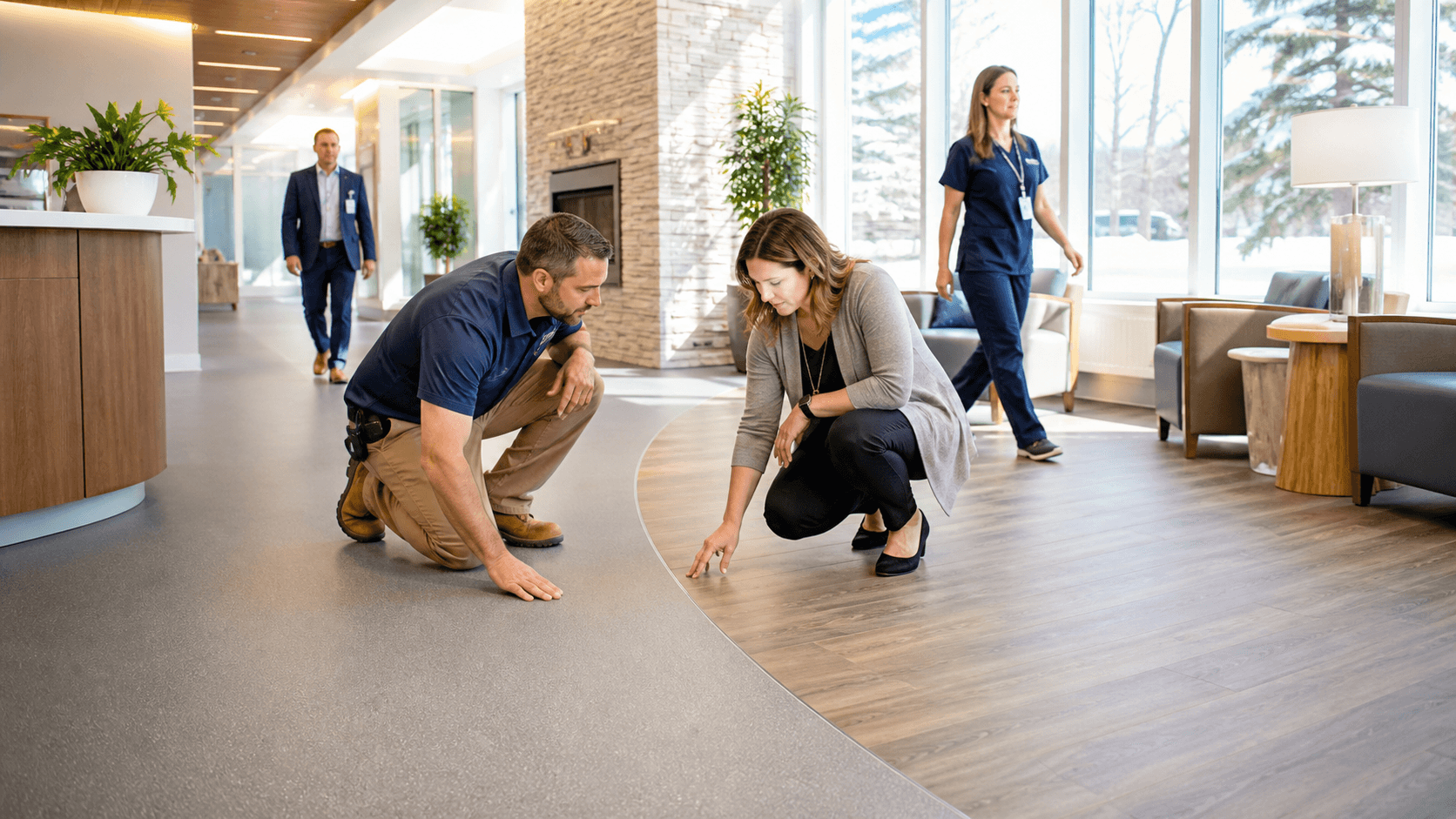
Moisture and climate are big factors in Chicago. Humid summers, slushy winters, and tracked-in water can stress both floors and adhesives. Entry vestibules, doorways, and back doors see more moisture than center-of-store, so materials here should be more moisture tolerant and paired with the correct adhesive.
Back-of-house spaces, stock rooms, and corridors need attention too. These areas often get less design focus, but they see carts, pallet jacks, and quick cleanups. A floor that resists staining and is easy to mop helps your staff spend less time on upkeep and more on customers.
Maintenance also drives long-term value. For retail, it helps to pick surfaces that:
- Clean easily with simple, approved products
- Hide minor scuffs between deeper cleanings
- Do not require long, frequent shutdowns for special treatments
This keeps closures shorter and lets staff keep the store looking fresh between busy shopping weekends.
Material Options for Commercial Glue-Down Systems
Commercial glue-down floors come in several material types, and each brings its own strengths. The right choice depends on your brand look, how the space is used, and what your installer recommends for your subfloor.
Luxury vinyl tile and plank, often called LVT and LVP, are common in retail. They offer:
- Realistic wood, stone, and concrete visuals
- Strong wear layers for commercial traffic
- Good performance when paired with quality commercial adhesives
With LVT or LVP, you can get the look of hardwood or stone without the same concerns about expansion, chipping, or staining in busy stores.
Rubber, VCT, and sheet vinyl are also used often in Chicago retail spaces:
- Rubber can offer impact absorption and slip resistance, helpful where staff stand for long periods or where safety is a priority.
- VCT is often chosen for budget-sensitive areas where a simple, durable tile works well.
- Sheet vinyl creates a more seamless surface, which can help with hygiene and easier cleaning, especially in checkout zones or food-adjacent areas.
Matching material to the store concept matters. A high-end boutique may want rich wood visuals with clean lines. A store with an industrial feel might lean into concrete or stone looks. Family-friendly environments often favor softer visuals and slip-resistant textures that feel comfortable and safe. This is where a wholesale distributor can help compare options that fit the vision and the performance needs at the same time.
Installation Best Practices for Busy Chicago Stores
Even the best flooring material can fall short if the installation is rushed. Chicago has many older buildings, and subfloor conditions can be different from one store to the next, even on the same block.
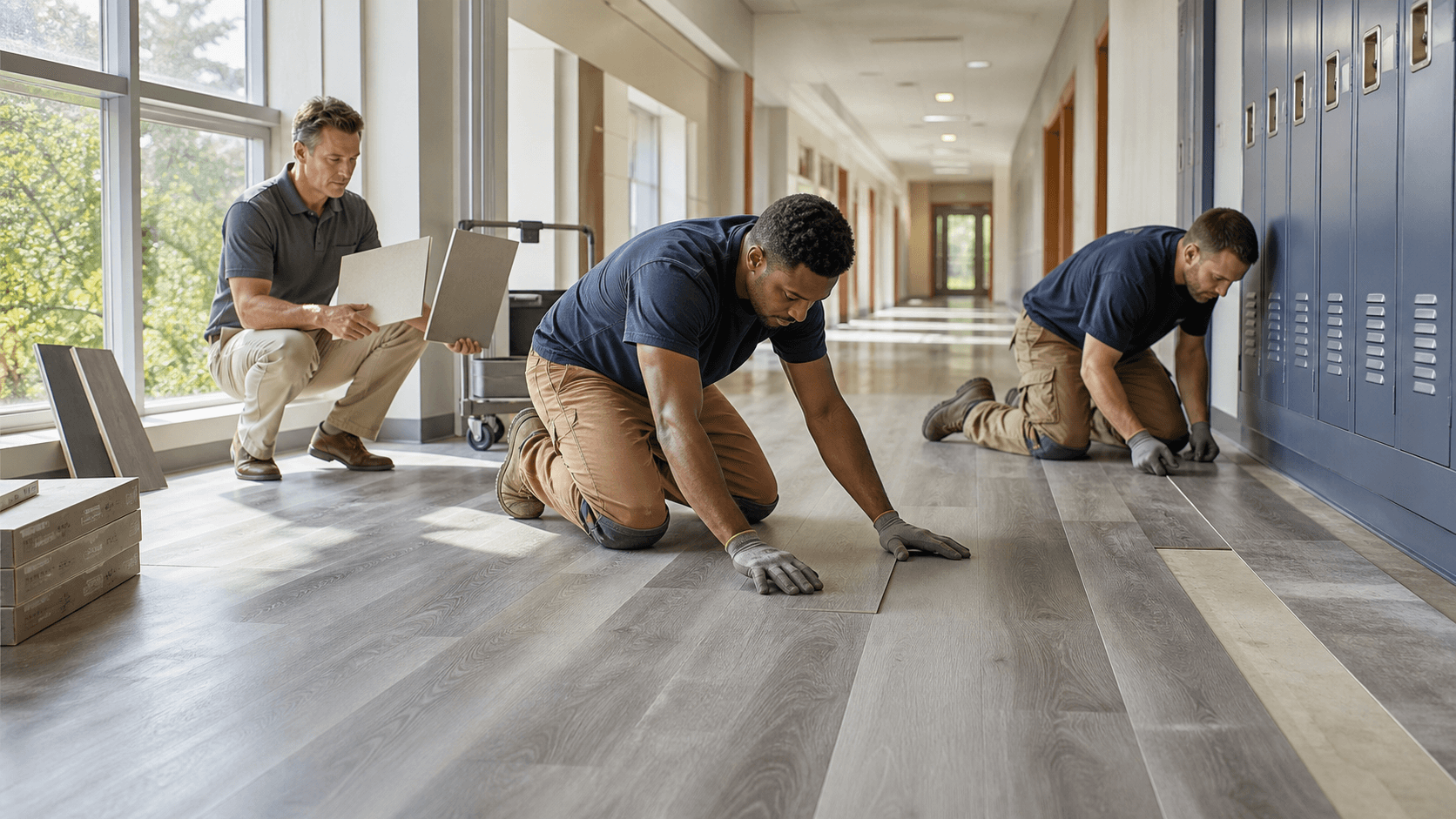
Good subfloor preparation starts with knowing what is under the existing floor. Installers will often:
- Check the concrete or wood subfloor for cracks, dips, or uneven spots
- Perform moisture testing to see if levels fall within the flooring and adhesive limits
- Use leveling compounds or moisture mitigation systems when needed
Skipping these steps can lead to problems like adhesive failure, bubbles, or visible seams, which are much harder to correct once the store is open again.
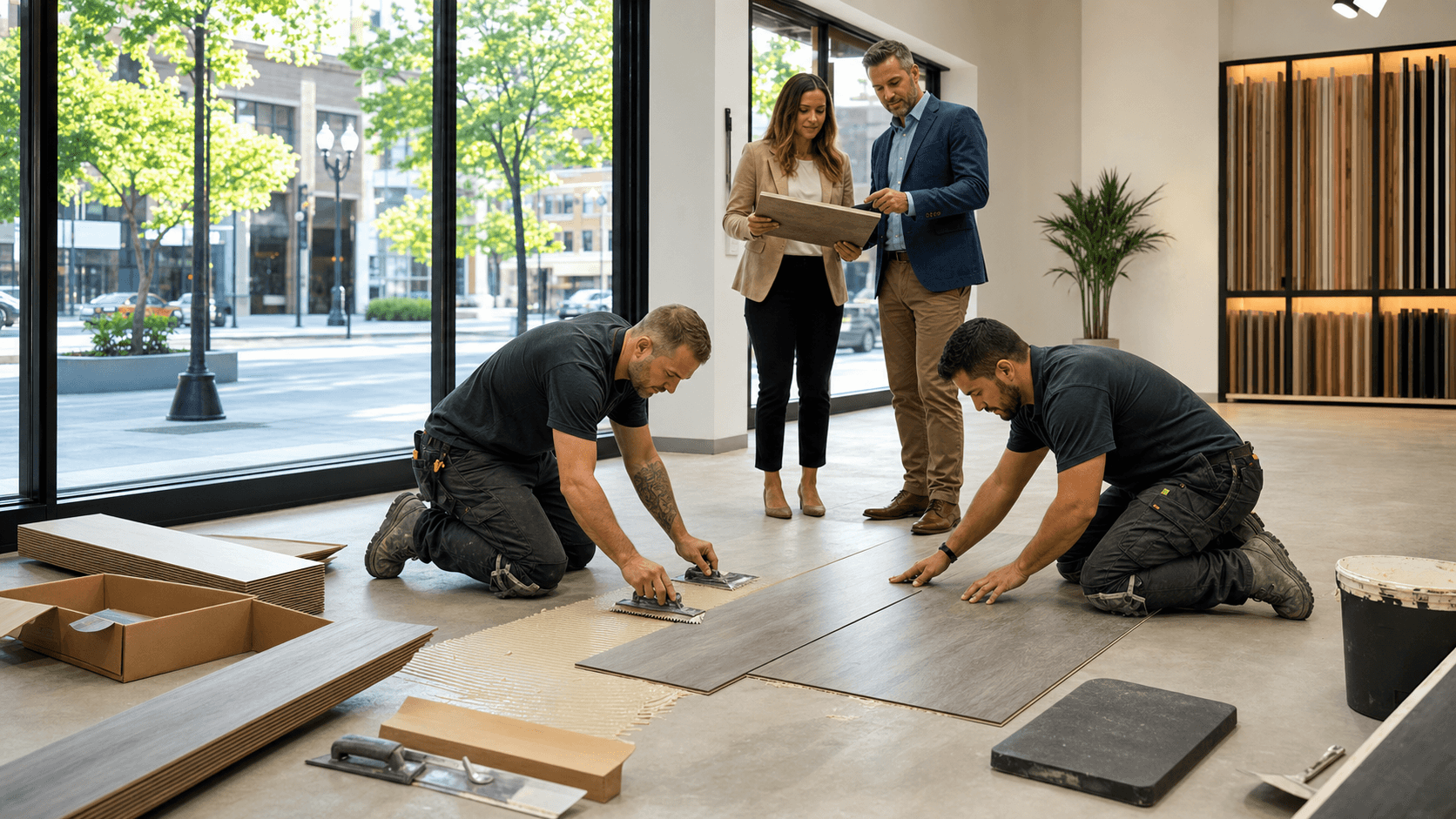
Adhesive choice matters just as much as the flooring. Commercial adhesives are designed for different materials, traffic levels, and moisture conditions. Using products that the flooring manufacturer approves helps support long-term performance. Chicago's summer heat and humidity can change open time and curing time, so installers plan setups and work pace to match job site conditions.
For active stores, phased installation is often the best path. That can mean:
- Working nights or off-days to keep the store open as much as possible
- Completing one section at a time while rerouting traffic
- Scheduling higher impact areas, like main aisles, during slower periods
Retailers who plan flooring work in mid-summer often benefit from having the space ready for back-to-school and fall traffic without last-minute stress.
Working with a Local Wholesale Flooring Partner
When a project is in the Chicago area, working with a regional wholesale distributor can help keep work moving. Shorter distance from warehouse to job site can mean faster product availability and fewer surprises if extra material is needed.
A local distributor focused on commercial-grade flooring and installation materials can provide:
- Access to products designed for retail traffic and long service life
- Technical guidance on which materials and adhesives pair well in specific conditions
- Help troubleshooting job-site questions around moisture, subfloors, or layout challenges
From our warehouse in Loves Park, we work with contractors and retailers across Northern Illinois who want dependable flooring systems for their commercial spaces. Our approach centers on long-term relationships, so we spend time understanding how stores are used and what kind of schedule and performance expectations they have.
For retailers managing multiple locations or planning phased remodels, consistent supply is important. Wholesale partners can assist with:
- Accurate takeoffs to estimate material needs more clearly
- Coordinated orders so colors and styles match across locations
- Reliable replenishment when stores expand or refresh additional areas later
These details help keep costs predictable and reduce delays that can disrupt a project timeline.
Plan Your Next Retail Refresh with Confidence
Commercial glue-down flooring in Chicago retail spaces is about more than a single material choice. It is a mix of performance needs, brand goals, building conditions, and timing. By thinking through traffic, moisture, and maintenance, then matching those needs to the right material and adhesive system, you can set the stage for a floor that supports your store for years.
As a third-generation, family-owned wholesale flooring distributor, United Flooring Distributors focuses on dependable products, competitive pricing, and long-term relationships. When retailers and contractors bring their floor plans, we help them review options, compare materials, and line up the installation supplies that fit Chicago's retail conditions. With the right team and planning, your next retail refresh can feel less stressful and more like a confident step toward a stronger store experience.
Get Started With Your Project Today
Explore our selection of commercial glue-down flooring in Chicago to find the right fit for your space, budget, and performance needs. At United Flooring Distributors, we will walk you through material options, durability requirements, and design goals so your project moves forward with confidence. If you are ready to discuss specs, timelines, or bulk pricing, contact us and our team will follow up with tailored recommendations.